
Importance of Proper Timing in Product Gradings
Conducting gradings at the right time ensures reliable assessments and optimal product quality.
Weather conditions, growth stages, and project deadlines are key considerations for scheduling gradings.
Certain seasons may be more suitable for gradings depending on the specific material or crop involved.
Performing gradings too early or too late can lead to inaccurate results and affect subsequent processes.
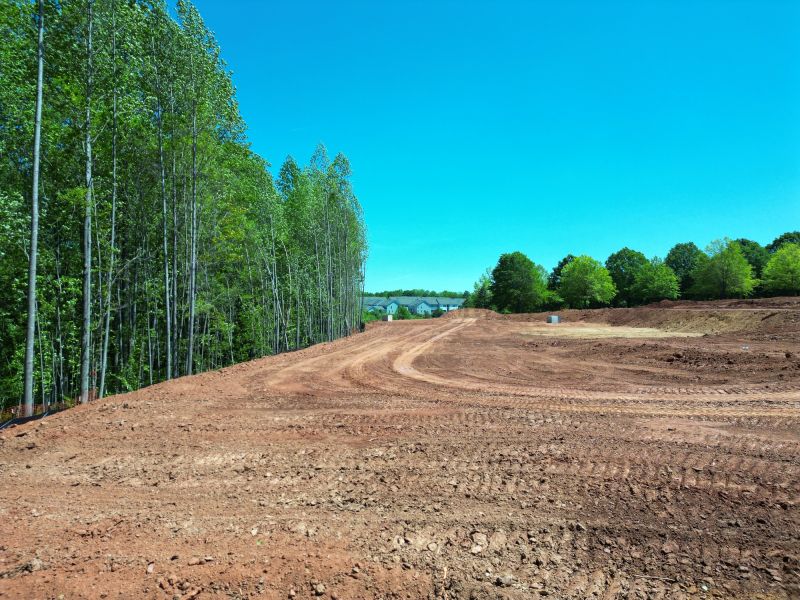
Spring is often ideal for early-stage assessments due to active growth periods.

Summer assessments align with peak maturity phases, providing accurate quality evaluations.

Autumn is suitable for final assessments before harvest or product collection.
Dry and stable weather conditions are preferred for precise gradings.
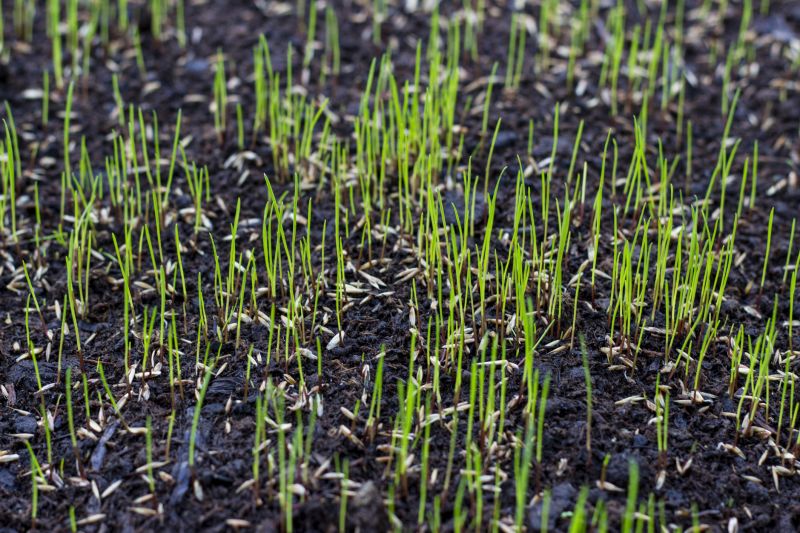
Monitoring key growth stages helps determine the best timing for gradings.
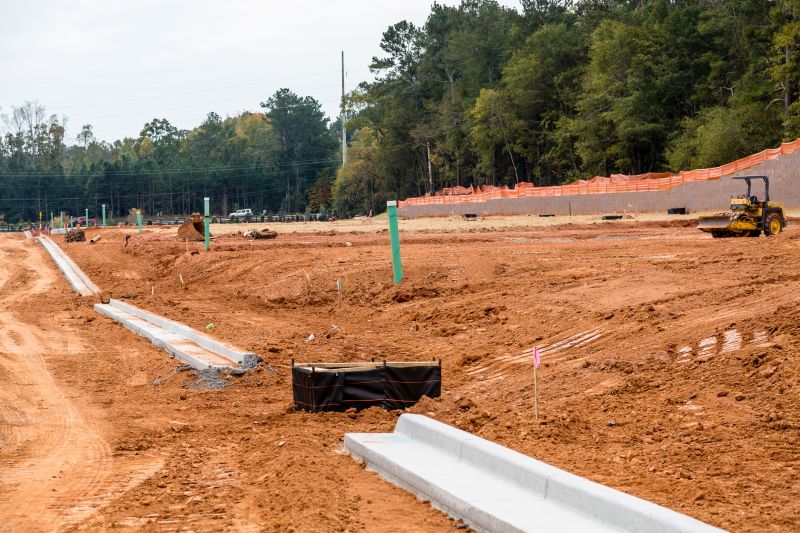
Post-harvest gradings are essential for quality control and market readiness.
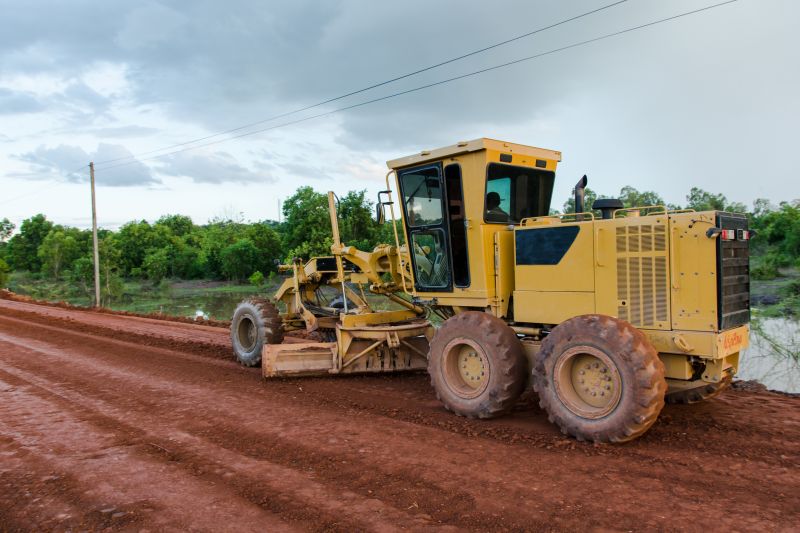
Identifying maturity peaks ensures accurate grading results.

Research shows a direct correlation between timing and grading quality.

Different regions may have specific optimal timing windows for gradings.
| Season | Ideal Timing |
|---|---|
| Spring | Early growth stages, before flowering |
| Summer | Peak maturity, just before harvest |
| Autumn | Final assessments before collection |
| Winter | Limited, only for specific materials |
| Rainy Season | Generally avoided due to weather conditions |
Gradings are essential for determining the quality, maturity, and readiness of products or materials. Proper timing ensures that evaluations are accurate and reflective of true conditions. Factors such as weather, growth stages, and regional climate patterns influence the optimal timing for grading activities. Accurate timing can improve decision-making, enhance product value, and reduce waste.
Statistics demonstrate that assessments conducted at the correct time can lead to a 10-15% increase in grading consistency. This precision benefits producers, suppliers, and consumers by ensuring quality standards are met and maintained throughout the process.

Proper scheduling maximizes assessment accuracy.

Monitoring growth helps identify ideal grading periods.

Weather conditions significantly affect grading accuracy.
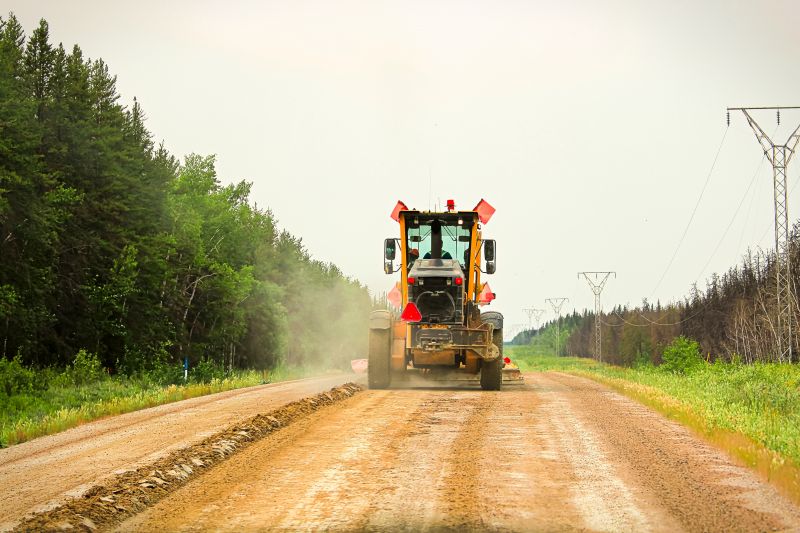
Adapting to regional climate patterns optimizes grading schedules.
Interested parties are encouraged to contact for further guidance on scheduling gradings to align with specific project needs and regional conditions.