
Get Utility Trenching in Greeley, CO
Utility trenching services provided by local contractors help Greeley property owners install or repair underground utilities like water, gas, or electrical lines safely and efficiently.
Utility trenching services are essential for property owners in Greeley, CO who are planning upgrades or new installations involving underground utilities. Whether installing new electrical lines, water pipes, or communication cables, proper trenching ensures a safe and efficient process. Exploring local contractors can help property owners compare options, understand different approaches, and select the most suitable solutions for their specific project needs.
By working with experienced service providers in the area, property owners can gain confidence in the quality and reliability of the work. As they evaluate their options, it’s helpful to consider the expertise of local contractors who understand the unique requirements of Greeley’s infrastructure and soil conditions. Continuing to explore these options can lead to informed decisions that support successful project outcomes.
- Utility Trenching - needed when installing new underground utilities such as water, gas, or electrical lines in neighborhoods like Greeley’s Central Park area.
- Utility Trenching - required for upgrading or replacing existing utility lines beneath streets or driveways in communities across Weld County.
- Utility Trenching - necessary when laying fiber optic or communication cables for new internet or service connections in residential or commercial zones.
- Utility Trenching - used for installing irrigation systems or drainage pipes in landscaping projects around homes and businesses in the Greeley area.
- Utility Trenching - essential for infrastructure development projects that involve running utility lines through construction sites or undeveloped land nearby.
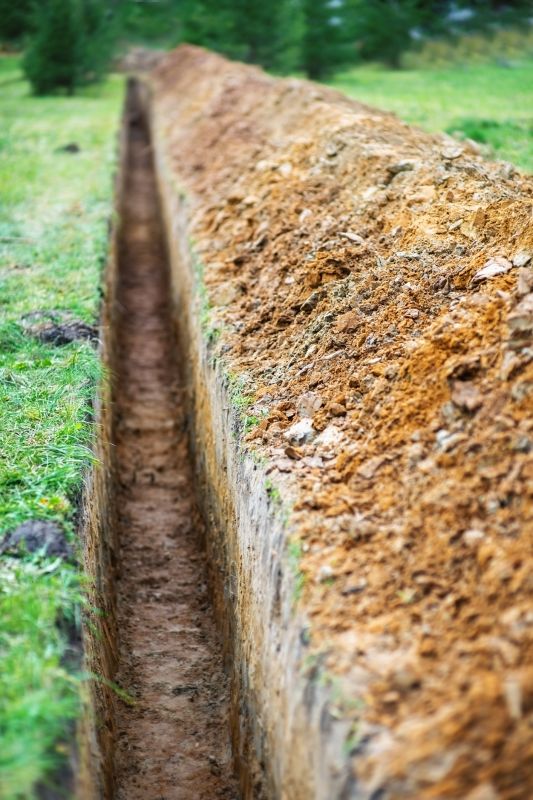
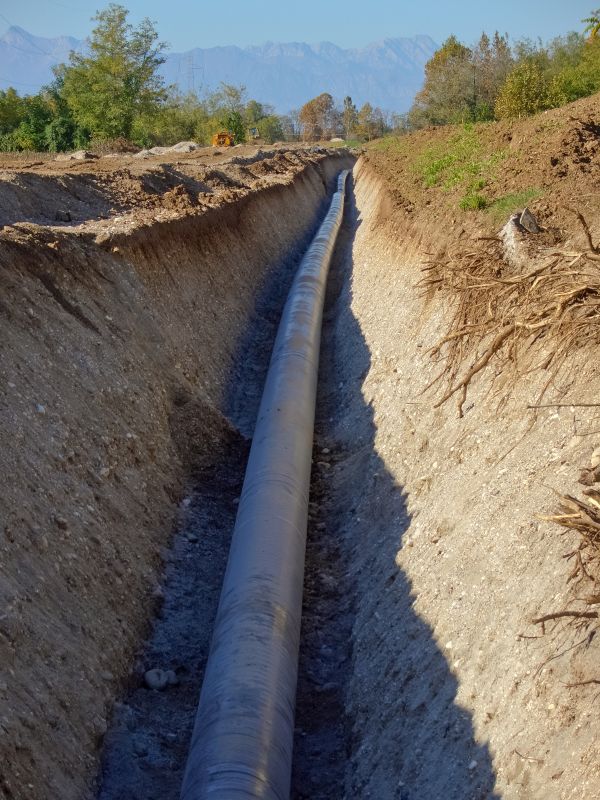
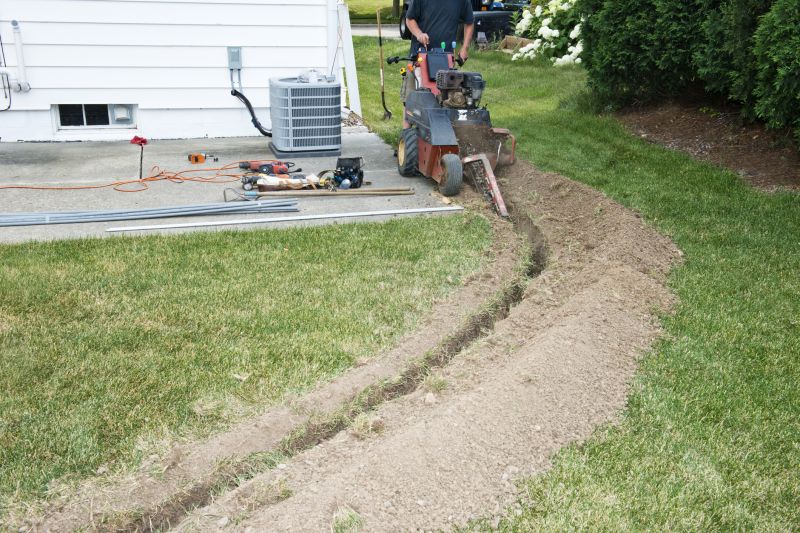
Utility trenching services involve excavating narrow, deep channels in the ground to lay down essential underground utilities like water lines, electrical cables, gas pipes, and communication wires. This process typically requires specialized equipment to carefully dig the trench, ensuring minimal disturbance to surrounding property and structures. Once the trench is prepared, the service providers will install the necessary lines or pipes and backfill the area, restoring the ground to its original condition as much as possible. This work is crucial for establishing new utility connections or upgrading existing infrastructure efficiently and safely.
These services help solve common problems related to outdated or damaged underground utilities, such as leaks, electrical outages, or communication disruptions. They are also necessary when extending utility lines to new additions or properties, ensuring proper function and compliance with local codes. Trenching can also address issues caused by shifting soil or root intrusion that may compromise underground lines, preventing future costly repairs and service interruptions. By creating a clear, organized pathway for utilities, trenching helps maintain the safety and reliability of essential services throughout a property.
Property types that typically utilize utility trenching include residential homes, especially during new construction or major renovations. Homeowners adding new water or electrical services often require trenching to connect their property to municipal lines or private infrastructure. Commercial properties, such as office buildings, retail centers, and industrial sites, also frequently need trenching when installing or upgrading utility systems to support their operations. Additionally, agricultural properties and large estates may require trenching for irrigation systems, fencing, or other infrastructure projects. Overall, any property that needs underground utility installation or repair can benefit from professional trenching services.
Homeowners in Greeley, CO, and nearby areas may find utility trenching necessary when planning to install new utilities or repair existing ones. This service is especially relevant for those undertaking new construction projects, adding outdoor lighting, or upgrading their electrical or water systems. Trenching helps ensure that utility lines are installed securely and safely, reducing the risk of future problems. When considering these services, it’s important to work with experienced local contractors who understand the specific requirements of properties in the area. Connecting with qualified professionals can make the process smooth and ensure the work meets all necessary standards.
The overview below groups typical Utility Trenching projects into broad ranges so you can see how smaller, mid-sized, and larger jobs often compare in Greeley, CO.
In many markets, a large share of routine jobs stays in the lower and middle ranges, while only a smaller percentage of projects moves into the highest bands when the work is more complex or site conditions are harder than average.
Small Repairs - Typical costs for minor utility trenching jobs in Greeley range from $250 to $600. Many routine repairs or upgrades fall within this range, depending on the length and depth of the trench needed. Fewer projects reach the higher end of this spectrum.
Standard Installation - For standard utility trenching services, local contractors often charge between $1,000 and $3,000. Most projects involving new lines or connections land in this middle range, with larger or more complex jobs occasionally exceeding this amount.
Full Replacement - Complete replacement of existing utility lines can cost between $3,500 and $7,000 or more. These larger projects tend to be less common but are necessary for extensive upgrades or outdated infrastructure.
Larger, Complex Projects - Extensive trenching for commercial or multi-property developments can reach $10,000 or higher. Such projects are less frequent and typically involve significant planning, permitting, and specialized equipment.
Actual totals will depend on details like access to the work area, the scope of the project, and the materials selected, so use these as general starting points rather than exact figures.
Underground Utility Installation - local contractors often handle the installation of underground utilities such as water, gas, and telecommunications lines, requiring similar trenching skills and planning.
Drainage System Construction - building drainage and stormwater systems involves trenching and careful layout, making it comparable to utility trenching projects.
Electrical Conduit Installation - installing electrical conduits underground requires precise trenching, safety measures, and coordination with utility plans.
Foundation Excavation - excavation for building foundations involves trenching and site preparation skills that align with utility trenching techniques.
Irrigation System Setup - laying out and installing underground irrigation lines involves trenching, planning, and the use of similar tools as utility trenching.
Telecommunication Cable Laying - deploying fiber optic and telecommunication cables underground involves trenching and coordination with existing infrastructure.
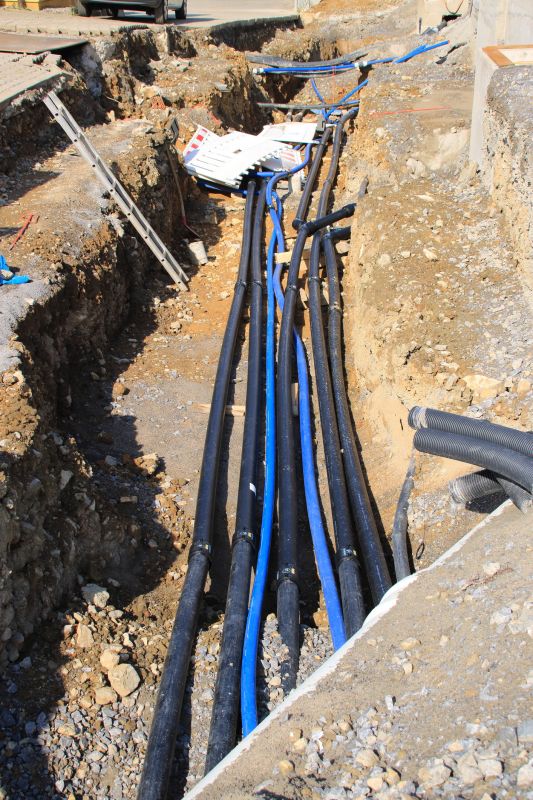
When evaluating contractors for utility trenching services, it’s important to consider their experience with similar projects in the Greeley, CO area. Service providers who have handled comparable trenching work are more likely to understand the unique challenges of local soil conditions, property layouts, and municipal requirements. Asking about their past projects or reviewing their portfolio can provide insight into their familiarity with the scope and complexity of trenching tasks, helping to ensure that the chosen professional has the relevant background to handle the job effectively.
Clear, written expectations are key to a successful project. When comparing local contractors, look for providers who can articulate their process, materials, and responsibilities in detail. A well-defined scope of work helps prevent misunderstandings and ensures that both parties are aligned on what will be delivered. It’s beneficial to request a written outline of the services, including the extent of trenching, site preparation, and cleanup, so that expectations are transparent from the start.
Reputable references and effective communication are vital indicators of a reliable service provider. Asking for references from previous clients can reveal how well a contractor manages projects similar to your own, including their professionalism and ability to meet commitments. Good communication throughout the process-whether through prompt responses, clarity in explanations, or proactive updates-can make a significant difference in the overall experience. While the site introduces homeowners to local options, it’s essential to independently verify these qualities to find a contractor who can deliver quality results and a smooth working relationship.
Property owners in Greeley, CO use Utility Trenching services for practical projects around their homes and businesses. This guide focuses on everyday jobs and straightforward project options.
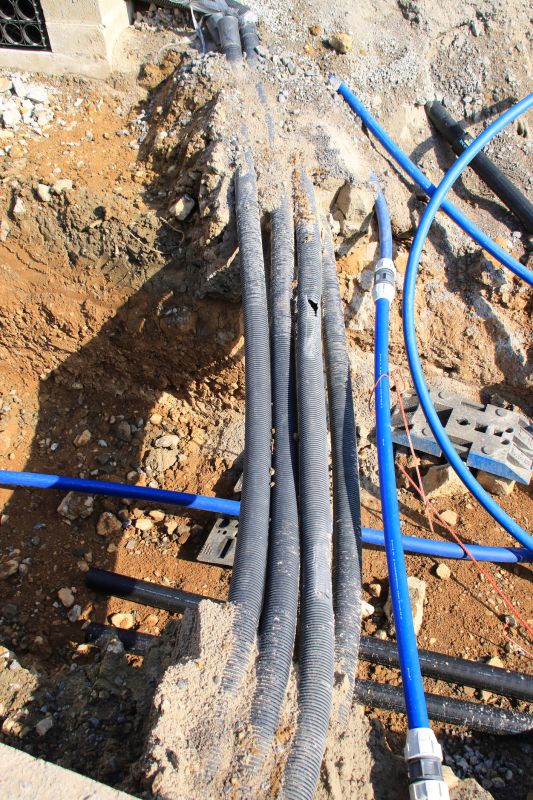
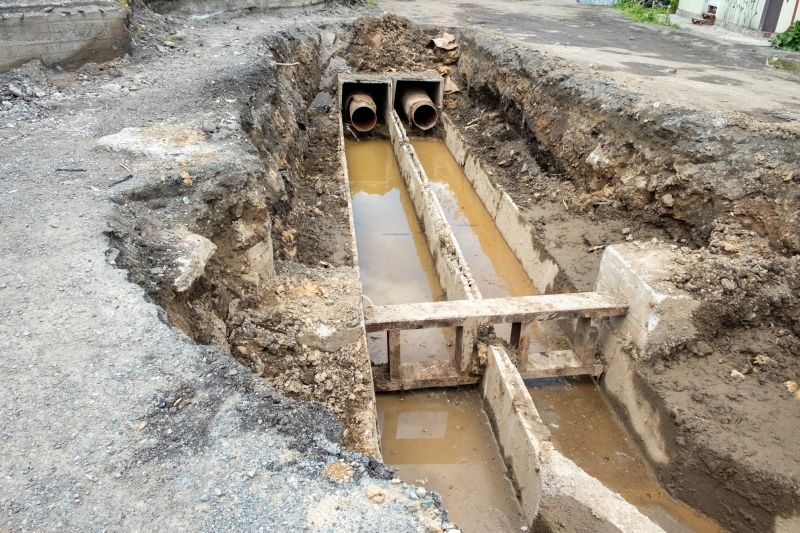
Utility trenching services are commonly needed for property owners in Greeley, CO who are installing or upgrading underground utilities such as water lines, electrical wiring, or sewer pipes. Whether a homeowner is adding a new sprinkler system, preparing for a remodel, or connecting to existing infrastructure, local contractors can handle the trenching work efficiently. These projects often arise when property owners want to improve their outdoor spaces or ensure proper utility connections without disrupting their landscape more than necessary.
Property owners may also seek utility trenching when upgrading aging systems or expanding their property’s capabilities. For example, installing a new outdoor electrical outlet or extending utility lines to a detached garage are situations where trenching becomes essential. Local service providers are equipped to manage these tasks, helping property owners complete their projects smoothly and securely, ensuring utilities are properly placed beneath the surface for long-term use.
What is utility trenching used for? Utility trenching is used to install underground utilities such as electrical cables, water lines, or gas pipes safely and efficiently.
What types of projects require utility trenching? Projects like new construction, property upgrades, or infrastructure repairs often need utility trenching to lay or replace underground services.
How deep are utility trenches typically dug? The depth of utility trenches varies depending on local codes and the type of utility, but they generally range from 18 inches to several feet deep.
What equipment do local contractors use for trenching? Contractors commonly use trenchers, excavators, or backhoes to dig trenches depending on the project's scope and soil conditions.
Are there any permits needed for utility trenching in Greeley, CO? Yes, local regulations often require permits for trenching projects to ensure safety and compliance with city or county codes.
Underground Utility Installation - Property owners can have local contractors install underground electrical, water, or communication lines to ensure safe and efficient connections for home or business needs.
Drainage and Sewer Trenching - Trenching services can be used to upgrade or repair sewer and drainage systems, helping prevent flooding and water damage around the property.
Landscaping and Garden Projects - Trenching can create pathways for irrigation systems or prepare the ground for new landscaping features, making outdoor spaces more functional.
Renewable Energy Setup - Property owners interested in solar or other renewable energy systems can utilize trenching services to lay conduit and wiring securely underground.
If you are thinking about Utility Trenching for a property in Greeley, CO, this guide is meant to help you understand the work, the typical project types, and how different options might fit your plans.
When you are ready, you can use the quote form on this page to share a few details about your project. From there, local pros can review the basics and respond with options that match what you have in mind.